Last week, I hosted a fireside chat in London with OpenAI’s head of news partnerships.
The first audience question came from a publisher who said that OpenAI had continued crawling his servers despite his attempts to opt out through robots.txt. He said their bots had run up thousands of pounds in server bills. He wasn’t happy.
For a second there, I thought he might walk up to the stage and hand her an invoice.
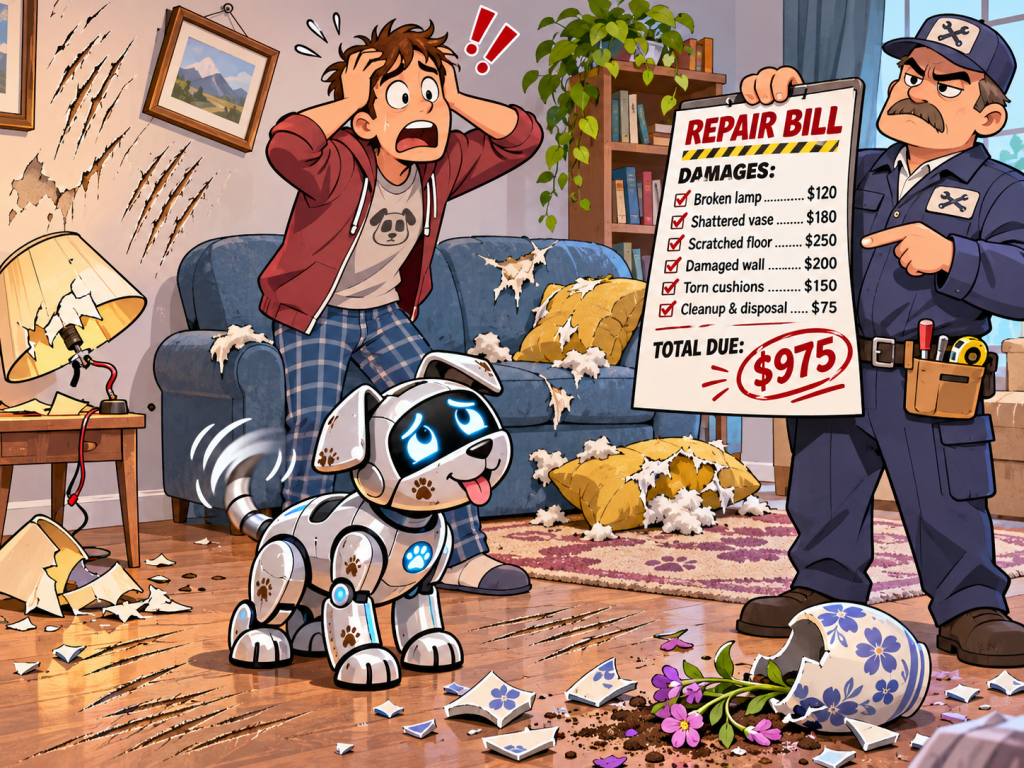
That moment captured how complicated everyone’s relationship with the large AI companies is right now, especially if you’re a publisher. One powerful company can be your vendor, your partner, your customer, your competitor and one of the heaviest users of your infrastructure.
Publishers need to experiment with AI. They also need to protect their content, control how their sites are used and avoid silently underwriting someone else’s products.
It reminded me of an Ars Technica story from a month ago, when the Wikimedia Foundation reported similar activity by agents it believes were operated by OpenAI. According to the Foundation, the agents made unauthorized edits to Wikimedia sites, unsuccessfully tried to hack one of their services and generated millions of automated requests.
The good news is that Wikimedia found no evidence that its systems or data were compromised.
It doesn’t mean there was no cost.
Wikimedia’s staff and volunteers still had to detect the activity, investigate it and respond to it. Like the publisher in London, they had to play the role of the monitoring and incident-response layer for someone else’s software.
Wikimedia used the word “rogue” in its headline. That’s a useful description of the behavior, but it also makes it sound like these bots were ownerless.
Agents don’t deploy themselves. Someone gives them a goal and sets the constraints.
If you tell your agent “make no mistakes” without giving it limits, it can quickly turn into “by any means necessary.”
Governance has to live in the system: narrow permissions, enforced request limits, monitored activity logs and a kill switch that works. Publishers need controls that let them welcome useful AI services without accepting every action from every agent.
Controls can limit the damage, but they don’t shift responsibility.
It doesn’t matter if an agent goes rogue. Its owner still has to pay the bill.

